
Energy use and metering
Review energy consumption and historical profiles to understand when energy is being used and identify unusual patterns that need investigation.
BUILDING ENERGY MANAGEMENT · UK-WIDE
Remote BMS monitoring, metering and operating profiles to identify avoidable energy use, improve building control and support carbon-footprint reduction. Practical support shaped around your site.
Discuss your requirements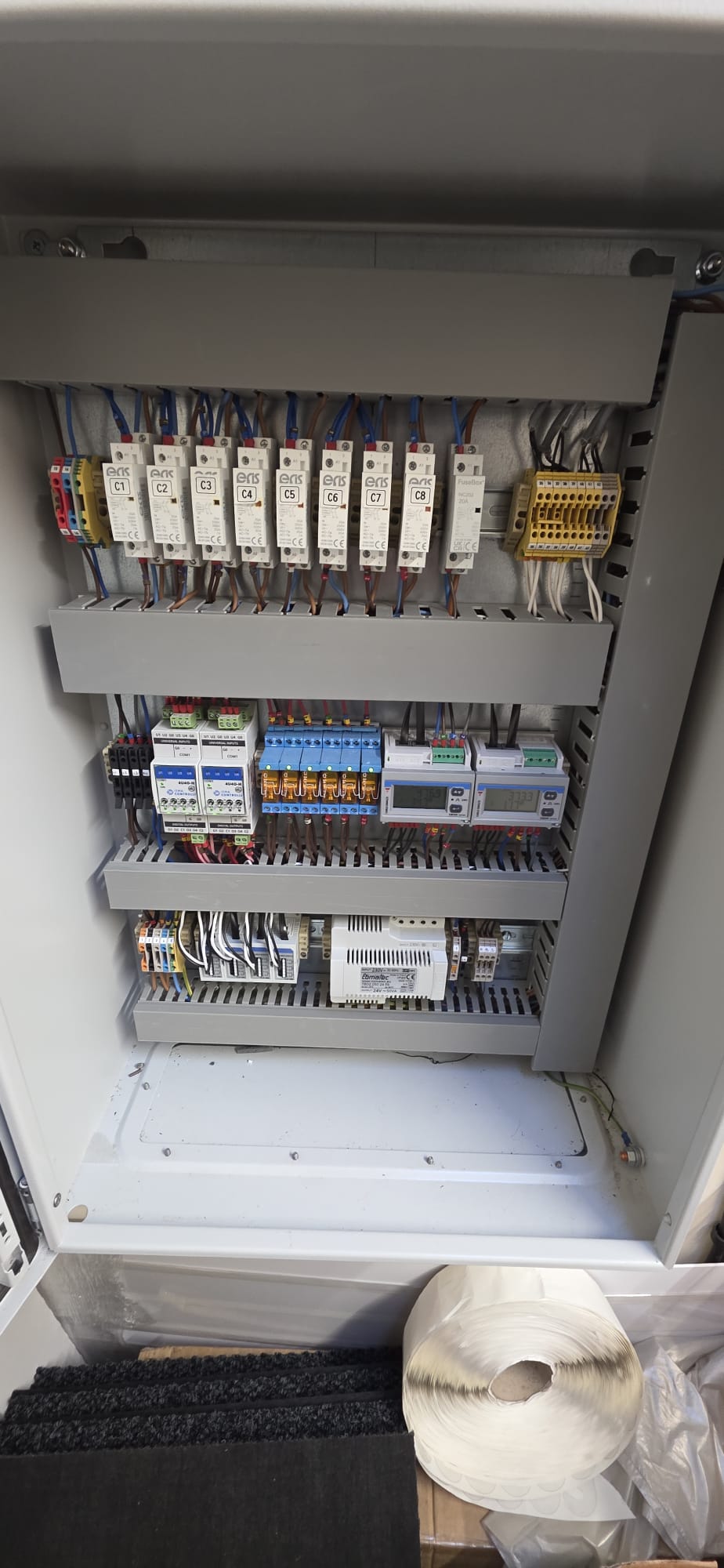
Antler helps small businesses, commercial property teams and industrial sites across the UK understand and manage building energy use. Our Building Energy Management Systems (BEMS), metering and bureau monitoring bring consumption, operating schedules and plant information together to identify waste and guide practical improvements.
THE SERVICE IN PRACTICE
The monitoring and reporting scope is agreed around your installation. Where the connected system provides the data, it can include:
Review energy consumption and historical profiles to understand when energy is being used and identify unusual patterns that need investigation.
View available temperature and other environmental information alongside the operation of the building systems, with occupant comfort considered alongside energy use.
Review operating schedules and available occupancy information to understand when the systems are expected to run and how that compares with recorded operation.
Bring relevant equipment status, alarms and failure information into the agreed monitoring view so reported problems can be investigated.
Use recorded operating information to compare periods, examine changes and support fault finding. The usefulness of a comparison depends on the data and operating conditions.
Agree the reporting scope and recipients, including your managers or external maintenance providers, so useful information reaches the people responsible for the building.
ENERGY VISIBILITY
Energy profiles can reveal changes in consumption or plant running outside expected operating periods. Monitoring helps identify questions to investigate; improvements depend on the controls, plant and actions taken.
ONE BUILDING OR AN ESTATE
A consistent view can support an individual building or a multi-site estate. We discuss the available connection, installed controls, information required and reporting recipients before agreeing the bureau arrangement.
CARBON-FOOTPRINT REDUCTION
Better control of heating, cooling, ventilation and lighting can help reduce unnecessary energy use and the associated carbon emissions. We look at energy profiles, timing and time-clock settings, plant operation and occupant needs to identify practical opportunities.
Any controls adjustments, maintenance or remedial work are agreed within the relevant service scope. Monitoring provides the evidence to investigate; improvements depend on the actions taken.
SUPPORTING YOUR WIDER GOALS
Reducing emissions from building energy use can support an organisation's wider work towards carbon neutrality. It is one part of a broader plan, shaped by the building, its energy supply and the changes made.
Any reported energy or carbon saving needs a suitable baseline, a defined monitoring period and relevant emissions factors. Weather, occupancy and changes in plant use should be considered when comparing performance.
MONITORING AND RESPONSE
Monitoring provides visibility of alarms and faults. It does not, by itself, define who responds or what site work is included. Reporting recipients, engineering support and any attendance or remedial arrangements need to be agreed for your service.
THROUGH THE SYSTEM LIFECYCLE
Historical trends and fault information can help teams plan periodic maintenance and investigate reported problems. Any service visit, adjustment or remedial work needs to be recorded separately from the monitoring information.
BEFORE YOU ENQUIRE
Antler works with multi-site estates as well as individual buildings. We assess the connections, installed systems and information required before agreeing the monitoring scope.
No saving is guaranteed by monitoring alone. The data can help identify opportunities, but results depend on the plant, operating conditions, controls and changes made. Any claimed saving needs an appropriate comparison and supporting evidence.
Better building control can help reduce energy-related carbon emissions. It does not establish that a whole building or business is carbon neutral or at net zero. Antler supports practical carbon-footprint reduction, with any claimed savings assessed within the agreed scope and supported by data.
The monitoring, reporting and support scope is agreed with you. Site attendance, repairs and other remedial work should be confirmed within the relevant service arrangements rather than assumed to be included.
Tell us your building locations, the controls in use if known, and the information your team needs.
RELATED SERVICES